The UK's Middle East Response: Navigating Allied Expectations Amidst Iranian Tensions
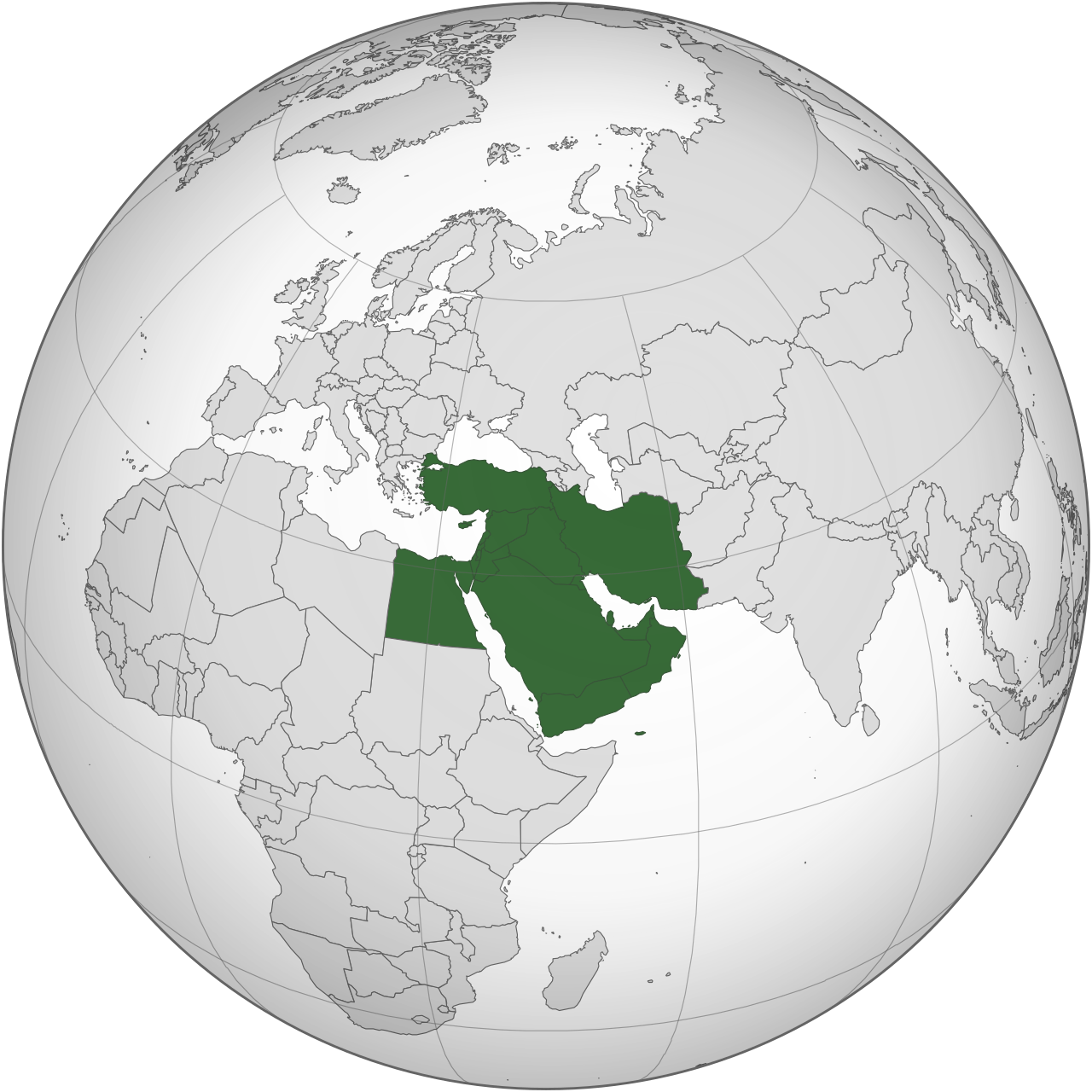
The intricate web of Middle Eastern geopolitics is perpetually in flux, and the recent escalation of tensions involving Iran has once again placed the spotlight on the roles of global powers. Central to this debate is the
uk middle east response, with questions emerging from various quarters – including some of its closest regional partners – about its perceived efficacy and commitment. While the UK's deputy prime minister has unequivocally denied claims of letting down allies, a deeper examination reveals a complex landscape of expectations, strategic imperatives, and historical legacies that color these perceptions.
Addressing the "Let Down" Allegations: Perception vs. Policy
In the wake of heightened hostilities involving Iran, a narrative has circulated suggesting that the UK's approach has fallen short of allied expectations. This sentiment, reportedly voiced by Middle Eastern partners, implies a perceived lack of robust support or a misaligned strategy during a critical juncture. The UK’s deputy prime minister, however, has firmly pushed back against these assertions, stating definitively that the nation has not abandoned its allies in the region. This official stance underscores the government's belief in its measured and strategic engagement.
Yet, the very existence of such claims, even if denied, indicates a potential disconnect between the UK's policy execution and its communication with, or the expectations of, its partners. Geopolitical alliances are built on trust and a shared understanding of threats and responses. When one ally perceives another as being less than fully supportive, it can introduce fissures in these crucial relationships. This scenario highlights the delicate balance modern diplomacy must strike between sovereign decision-making and the need to reassure and align with allied interests, especially in a volatile region like the Middle East. For many, the perception of being "failed over Iran" suggests a desire for a more overtly interventionist or at least a more visibly unified front.
The Cyprus Conundrum: A Colonial Remnant in a Volatile Region
Perhaps one of the most tangible manifestations of the complexities surrounding the
uk middle east response lies in Cyprus. The island nation has become an unwilling focal point in the regional conflict, largely due to the presence of two sovereign British military bases, Akrotiri and Dhekelia. These bases, retained by the UK after Cyprus gained independence in 1960, are increasingly seen not just as strategic assets but as remnants of a colonial past.
Recent events have drastically intensified this debate. Following suspected Iranian-made drone strikes on RAF Akrotiri – occurring just two days after US-Israeli actions against Iran commenced – public anger erupted. Protests, marked by chants of "British bases out," have swept Limassol, demonstrating a growing local discontent. This unrest has been further fueled by the revelation that the US has been permitted to use these British bases for "defensive strikes" on Iranian missile sites.
For many Cypriots, the bases represent an enduring symbol of incomplete sovereignty. Melanie Steliou Nicolaou, an actress and TV presenter residing near RAF Akrotiri, articulates this sentiment powerfully, describing the bases as "a remnant of the colonial and imperialist empire of Britain," suggesting Cyprus was "never truly decolonised." This perspective is crucial for understanding the depth of local opposition. The bases, which offer no direct economic benefits to the island, have historically served as crucial launchpads for UK military operations across the Middle East, including campaigns in Iraq and Libya, and more recently, assisting Israeli operations in Gaza.
This perceived operational utility for foreign powers, coupled with the lack of local economic benefit, creates a significant moral and political dilemma. Activists like Nico (anonymously quoted), characterize these installations as "unsinkable launchpads," allowing the UK to treat Cyprus like an aircraft carrier for its regional military objectives. They argue that this not only compromises Cyprus's neutrality but also places the local population at direct risk, as demonstrated by the recent drone incident.
Cyprus Erupts: UK Military Bases Spark Anger Amidst Iran War further details the scale and intensity of these recent protests and their underlying causes.
Strategic Imperatives vs. Local Sentiments: A Balancing Act
The presence of British bases in Cyprus undoubtedly serves the UK's strategic interests, offering a forward operating location that allows for rapid projection of power and intelligence gathering in the wider Middle East. The claim that these bases are there for "protection" is often juxtaposed with the perception that "they're really here to spy on the Middle East," sharing intelligence for missions. Indeed, reports from Declassified UK have highlighted extensive surveillance activities originating from these bases, including over 600 surveillance flights linked to Israel’s war on Gaza within its first two years. This included an incident involving a US military contractor hired by the UK conducting surveillance above a refugee camp in Gaza just prior to a devastating bombing.
From a strategic standpoint, the UK views these bases as vital for maintaining regional security, counter-terrorism efforts, and protecting its interests and those of its allies. However, this strategic value comes at a cost, particularly in terms of local relations and the potential for entanglement in conflicts. The protests in Cyprus are a stark reminder that military presence, even if historically established, is subject to continuous scrutiny, especially when it directly impacts the safety and political independence of the host nation. The challenge for the
uk middle east response is to demonstrate how these strategic assets genuinely contribute to broader regional stability in a way that aligns with, rather than contradicts, the aspirations of its host nation and regional partners.
British Bases in Cyprus: Colonial Legacy in a Volatile Middle East offers a deeper dive into the historical context and ongoing ramifications.
The Broader Geopolitical Chessboard and the UK's Evolving Role
The Middle East is a region of immense strategic importance, characterized by a complex interplay of state actors, non-state groups, and global powers. The UK, with its historical ties and ongoing interests, has a vested stake in its stability. Its response to the Iran situation, therefore, is not an isolated event but part of a broader, evolving foreign policy.
In this context, the perception of allies being "let down" could stem from various factors. It might relate to the perceived speed of diplomatic condemnation, the strength of military deterrents, or the consistency of messaging across the transatlantic alliance. While the UK prides itself on its strong defence capabilities and diplomatic networks, the modern Middle East demands a nuanced approach that extends beyond traditional power projection.
*
Clear Communication: One critical tip for managing allied expectations is consistent and transparent communication. Allies need to understand the rationale behind strategic decisions, even if they don't fully agree with every aspect.
*
Understanding Local Dynamics: Ignoring or downplaying local sentiments, as seen in Cyprus, can erode trust and generate significant political backlash, potentially undermining the very stability the foreign presence aims to uphold.
*
Adaptive Strategies: The nature of warfare and regional threats is constantly changing. The UK's Middle East response must be agile, adapting its diplomatic and military tools to address new challenges like drone warfare, cyber threats, and proxy conflicts, while also engaging in robust humanitarian efforts.
The situation calls for careful navigation, balancing national interests and global responsibilities with the sensitivities and legitimate concerns of host nations and regional partners. The UK's capacity to maintain its influence and strategic effectiveness in the Middle East will depend heavily on its ability to foster genuine partnerships, demonstrate empathy for local perspectives, and adapt its policies to the realities of a post-colonial, interconnected world.
Conclusion
The debate surrounding the
uk middle east response to tensions involving Iran is multifaceted, touching upon strategic allegiances, historical legacies, and the practicalities of military presence. While the UK government maintains it has not let down its allies, the existence of such claims and the visible public anger in places like Cyprus underscore the significant challenges involved. The UK's continued engagement in the Middle East is undeniable, but its effectiveness and long-term sustainability will hinge on its ability to navigate these complex dynamics with greater transparency, deeper understanding of local grievances, and a commitment to genuine partnership. Reconciling its strategic imperatives with the aspirations for sovereignty and safety among its partners will be crucial for maintaining its standing and influence in a region that remains central to global security.